Compare Local Contractors for Disability Remodeling Projects
Compare local contractors to define project scope, verify experience, and set clear expectations for successful disability remodeling.
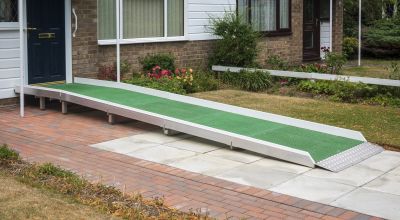
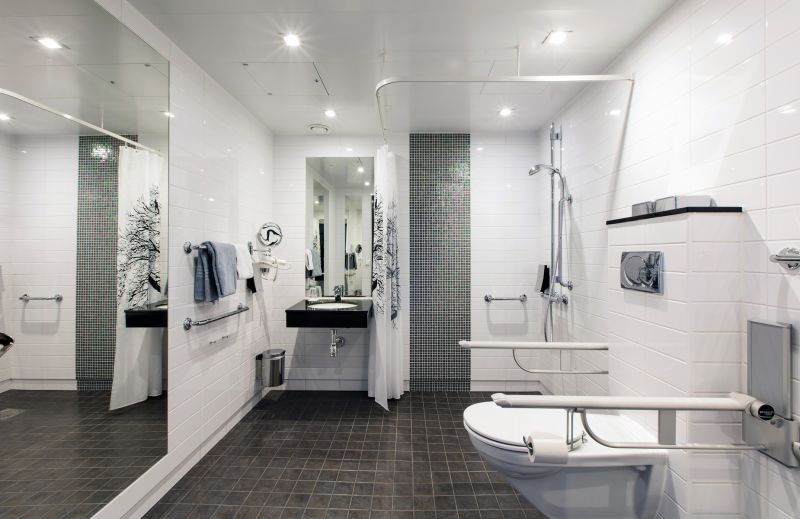
Contractors specializing in disability remodeling services typically handle modifications and renovations designed to improve accessibility and safety within a property. This work can include installing ramps, widened doorways, accessible bathrooms, grab bars, and other features that support mobility and independence. The scope of these projects often varies based on individual needs, property layout, and specific accessibility goals. Understanding what the work covers helps property owners communicate their requirements clearly and ensures that the remodeling aligns with personal or family needs.
Defining the scope of a disability remodeling project is an essential step in the planning process. Clear scope definition involves outlining the specific modifications needed, the areas of the property involved, and the desired outcomes. This clarity helps prevent misunderstandings and sets realistic expectations for the work involved. Documenting the scope in writing provides a reference point for discussions with service providers, making it easier to evaluate proposals and ensure that all parties are aligned on the project’s objectives.
When comparing local contractors for disability remodeling services, property owners should consider experience with similar projects, reputation within the community, and the clarity of their communication. It’s helpful to review how contractors describe their services and whether they offer detailed proposals that outline the scope of work. Asking for references or examples of previous projects can provide insight into their expertise. Additionally, verifying that contractors are transparent about their process and willing to put agreements in writing can support a smooth remodeling experience, ensuring that expectations are clearly established from the outset.
Compare local contractors by outlining your priorities, verifying experience, and setting clear expectations in writing.
- Compare Contractors - Review multiple service providers to find the best match for disability remodeling needs.
- Define Scope Clearly - Outline specific requirements and expectations before engaging with contractors.
- Verify Experience - Ensure contractors have relevant experience in disability-related modifications.
- Set Expectations in Writing - Document project details and agreements to promote clarity and accountability.

Clearly describe your disability remodeling project to help local contractors compare options and set accurate expectations.
- Verify the experience of local contractors in disability remodeling projects to ensure they have relevant expertise. - Look for service providers with a proven track record of completing similar accessibility modifications.
- Compare the scope of work offered by different local contractors to ensure all accessibility needs are addressed. - Confirm that the service providers can handle specific modifications required for individual mobility or safety requirements.
- Check that contractors clearly define project expectations and deliverables in written agreements. - Ensure scope, materials, and responsibilities are documented to prevent misunderstandings.
- Assess the credentials and reputation of local service providers through references or reviews. - Seek feedback from previous clients to gauge reliability and quality of work.
- Ensure that the proposed remodeling plans comply with relevant accessibility standards and guidelines. - Confirm that the contractor is familiar with applicable regulations to meet safety and usability requirements.
- Evaluate communication practices of local contractors to ensure clarity and responsiveness during the project. - Choose service providers who provide detailed information and are transparent about their process.
Compare local contractors' experience and clarify project scope to ensure your remodeling needs are met.


A scope builder helps compare local contractors consistently by clarifying work details, verifying experience, and setting clear expectations in writing.
- Define the scope of remodeling services needed - clearly outline the specific modifications or adaptations required for disability accessibility.
- Identify the experience and expertise of service providers - verify that local contractors have relevant experience with disability-related remodeling projects.
- Establish criteria for selecting qualified contractors - determine the qualities and qualifications to compare among local service providers.
- Document project expectations and requirements in writing - ensure all scope details and expectations are clearly communicated and agreed upon in written form.
- Research and review local contractor credentials and references - gather information on the reputation and past work of potential service providers to inform selection.
When evaluating contractors for disability remodeling projects, it’s important to consider their experience with similar types of work. Homeowners should inquire about the scope of past projects to understand if a contractor has handled modifications such as wheelchair ramps, accessible bathrooms, or stair lifts. A contractor with a history of completing projects comparable in scope and complexity can often provide insights into potential challenges and solutions, ensuring that the remodeling meets specific accessibility needs.
A clear, written scope of work is essential for setting expectations and establishing a mutual understanding of the project. Homeowners should seek service providers who can provide detailed descriptions of the work to be performed, including specific tasks, materials, and finishes. This documentation helps prevent misunderstandings and provides a reference point throughout the project, making it easier to evaluate progress and ensure that all aspects of the remodeling are addressed as planned.
Verification of a contractor’s experience can be supported by asking for references or examples of completed projects similar to the one at hand. Homeowners should verify that the service providers have a track record of successful projects in disability remodeling, and if possible, speak with previous clients to gain insights into their experiences. This step helps confirm that the contractor has the necessary background and skill set to handle specialized modifications safely and effectively.
When comparing options, it’s helpful to assess how each contractor communicates and documents their approach. Homeowners should look for service providers who are transparent about their process, provide comprehensive written proposals, and are willing to clarify any questions about the scope or methods. Evaluating how well a contractor articulates their plan and their willingness to work collaboratively can help ensure a smooth remodeling experience that aligns with individual accessibility requirements.
Ask contractors to provide written scope of work to ensure clear expectations and consistent project understanding.
- Experience with Disability Remodeling - What specific experience do the service providers have with disability remodeling projects?
- Scope of Work Clarity - How do contractors define and document the scope of the remodeling services they offer?
- Comparison of Services - What differences exist between local contractors regarding the types of modifications and accommodations provided?
- Project Expectations - How do service providers communicate the expected outcomes and limitations of the remodeling work?
- Verification of Qualifications - What methods do contractors use to demonstrate their expertise and track record in disability remodeling?
How can I compare contractors for disability remodeling? It’s helpful to review their experience with similar projects, ask for references, and verify their credentials to ensure they meet your specific needs.
What should I consider when defining the scope of the remodeling project? Clearly outline the modifications needed, such as accessibility features or safety improvements, and communicate these details to potential contractors to get accurate proposals.
How do I verify a contractor’s experience with disability remodeling? Request examples of past work, ask about their familiarity with accessibility standards, and check references to confirm their expertise in this specialized area.
What is important to include in a written agreement with a contractor? Ensure the scope of work, project expectations, materials, and any specific requirements are clearly documented to prevent misunderstandings later.
How can I ensure a contractor understands my accessibility needs? Provide detailed descriptions of your requirements, ask how they plan to address these needs, and confirm they have experience working with similar modifications.
What questions should I ask a contractor before hiring? Inquire about their experience with disability remodeling, how they handle project challenges, and how they communicate progress to ensure alignment with your expectations.
This page has highlighted the importance of thoroughly comparing local contractors for disability remodeling projects. Visitors should focus on defining the scope of work clearly, verifying the experience of service providers, and establishing expectations in writing to help ensure a smooth process. Taking these steps can assist in making informed choices among qualified local contractors.
To make the best decision, using the provided quote form can help connect with local service providers who are prepared to handle your remodeling needs. Comparing options through this process allows for a better understanding of available local contractors and their capabilities, empowering you to select the right professional for your project.