Compare Local Contractors for Accessibility Modification Projects
Compare local contractors for accessibility modifications to define project scope, verify experience, and set clear expectations in writing for a successful upgrade.
Accessibility modification contractors handle a range of updates designed to make properties more accessible for individuals with mobility challenges or other needs. Typical work includes installing ramps, widening doorways, modifying bathrooms for easier access, adding handrails, and adjusting fixtures to meet specific requirements. These projects aim to improve safety, ease of movement, and independence within a home or commercial space. Understanding what these modifications cover helps property owners plan effectively and ensure the work aligns with their specific accessibility goals.
Defining the scope of an accessibility modification project is essential to achieving satisfactory results. Clear communication about the desired outcomes, specific areas to be addressed, and any relevant building codes or regulations helps prevent misunderstandings. Documenting the scope in writing ensures that both property owners and contractors have a shared understanding of what work is included, which can help manage expectations and provide a basis for any adjustments needed during the project. Proper scope definition also supports more accurate comparisons between different local contractors.
When evaluating local contractors for accessibility modifications, property owners should consider experience with similar projects and their familiarity with relevant building standards. Comparing service providers involves reviewing their credentials, asking about their process for defining project scope, and understanding how they communicate project details. It’s beneficial to gather information about their previous work, verify their reputation within the community, and ensure that their approach aligns with the property’s specific accessibility needs. Making informed comparisons helps property owners select a contractor capable of delivering the desired modifications effectively and reliably.
Compare local contractors by outlining your priorities, verifying experience, and clearly defining project expectations in writing.
- Compare Local Contractors - evaluate multiple service providers to find the best match for accessibility modification needs.
- Define Project Scope - clearly outline the work required to set accurate expectations with contractors.
- Verify Experience - review contractor backgrounds to ensure they have relevant experience with accessibility modifications.
- Document Details in Writing - keep a record of scope, expectations, and agreements to facilitate smooth project execution.

Clearly describe your accessibility modification project and compare local contractors based on experience, scope, and written expectations.
- Verify experience with accessibility modifications to ensure contractors understand relevant building codes and standards. - Review the scope of work to confirm it clearly outlines the specific modifications needed.
- Compare multiple service providers to assess their expertise and reputation in accessibility projects. - Check references or reviews to gauge the quality of previous accessibility modifications performed.
- Ensure contractors provide detailed written proposals that specify the work to be completed and materials to be used. - Clarify the extent of the modifications and confirm expectations are documented before work begins.
- Ask service providers about their process for assessing the space and identifying necessary modifications. - Confirm they will evaluate existing conditions to determine appropriate accessibility solutions.
- Discuss the timeline and project milestones to establish clear expectations for the scope of work. - Make sure all details are agreed upon and documented before proceeding with the project.
- Confirm that the scope of work includes all accessibility features needed to meet individual requirements. - Ensure the modifications address specific access needs and are tailored to the user’s situation.
Use this to compare local contractors, clarify scope, verify experience, and set clear expectations in writing.


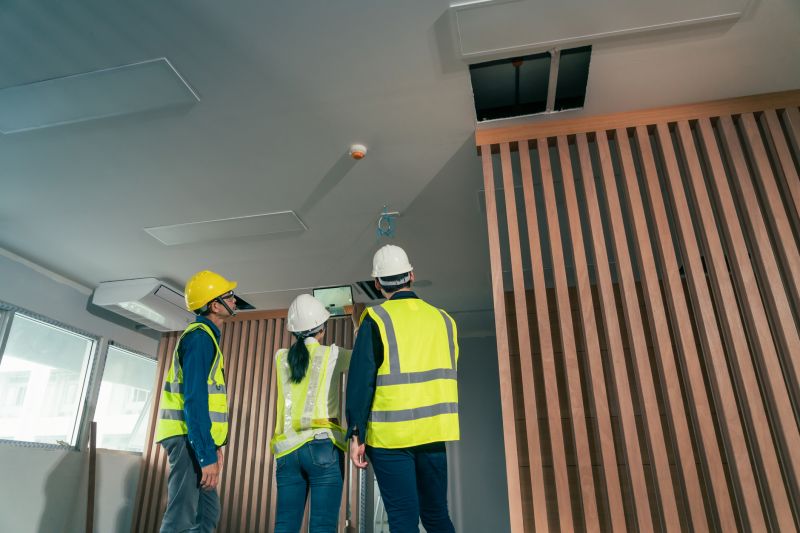
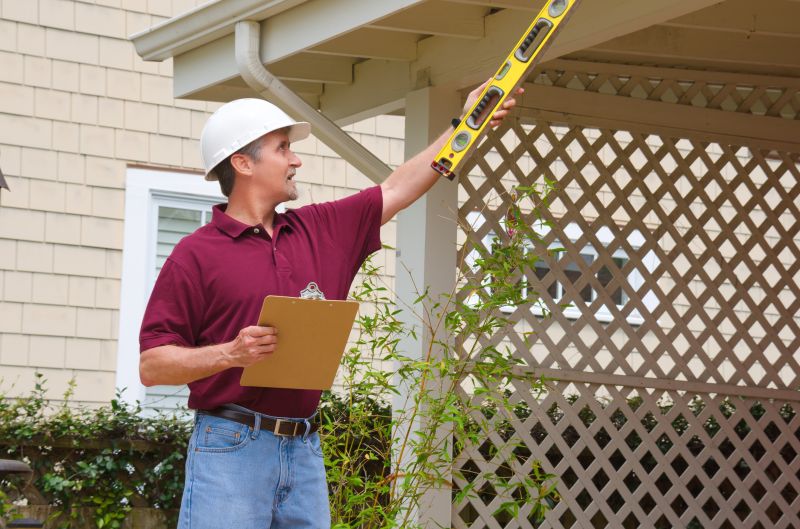
Compare local contractors' scope of work, experience, and written expectations to ensure consistent accessibility modifications.
- Scope Definition - clearly outline the specific accessibility modifications needed for the space.
- Experience Verification - confirm that local contractors have relevant experience with accessibility upgrades.
- Material and Fixture Specifications - specify preferred materials, fixtures, and finishes to ensure compatibility and quality.
- Written Expectations - document the project scope, responsibilities, and deliverables in a detailed agreement.
- Compliance Standards - identify applicable accessibility standards or guidelines to ensure modifications meet requirements.
When comparing contractors for accessibility modifications, it’s important to consider their experience with similar projects. Homeowners should inquire about the types of modifications the contractors have completed in the past, such as wheelchair ramps, accessible bathrooms, or doorway widenings. Contractors with a proven track record in accessibility projects are more likely to understand the specific requirements and challenges involved, ensuring the work meets functional needs effectively. Reviewing their portfolio or asking for references related to similar work can provide insight into their familiarity and competence with these specialized modifications.
A clear, written scope of work is essential for establishing expectations and avoiding misunderstandings. Homeowners should seek detailed descriptions of the tasks involved, materials to be used, and the standards or guidelines the contractor plans to follow. A comprehensive scope helps ensure that all parties have a shared understanding of what will be done, which can serve as a foundation for any future discussions or clarifications. Service providers who can articulate the scope in detail demonstrate professionalism and transparency, making it easier to compare options objectively.
Verification basics are crucial when evaluating contractors for accessibility modifications. Homeowners should verify that the service providers have relevant experience, understand local building codes and accessibility standards, and can provide evidence of past work or project references. Asking about the contractor’s approach to ensuring quality and compliance can help determine their reliability. While licensing and certification are not the focus here, a contractor’s knowledge of applicable standards and their ability to communicate how they will meet those requirements are important indicators of their capability.
Evaluating options without discussing prices involves focusing on the quality of proposals, scope clarity, and the professionalism of each service provider. Homeowners should compare how well each contractor understands the project’s needs, the specificity of their written scope, and their approach to verifying and meeting accessibility standards. It’s also helpful to consider the level of detail in their communication and whether they can provide clear explanations of their process. These factors can assist in selecting a contractor who is experienced, transparent, and capable of delivering a successful accessibility modification tailored to the home’s specific requirements.
Ask contractors to provide written scope descriptions to ensure clear understanding and consistent expectations.
- Experience with Accessibility Modifications - How do contractors demonstrate their experience with similar accessibility projects?
- Scope of Work Clarification - What specific modifications are included in each contractor’s proposed scope?
- Comparison of Services - How do different service providers' offerings and approaches to accessibility modifications differ?
- Project Expectations - How do contractors define and document the scope and deliverables in writing?
- Specialization and Capabilities - What types of accessibility modifications and accommodations do local contractors specialize in providing?
How can I find qualified contractors for accessibility modifications? To find suitable service providers, compare local contractors based on their experience, reviews, and scope of work to ensure they meet your project needs.
What should I consider when defining the scope of an accessibility modification project? Clearly outline the specific modifications needed, including details about the areas involved and any accessibility standards you want to meet, to help contractors provide accurate proposals.
How can I verify a contractor’s experience with accessibility modifications? Review their past projects, request references, or ask for examples of similar work to ensure they have relevant experience in accessibility-related modifications.
What is the importance of having a written agreement with a contractor? A written agreement helps set clear expectations, scope of work, and responsibilities, reducing misunderstandings and providing a record of the project details.
How do I compare different contractors for accessibility work? Evaluate their experience, scope of services, reputation, and the clarity of their proposals to determine which service providers best match your project requirements.
What questions should I ask contractors before hiring for accessibility modifications? Inquire about their experience, approach to the scope of work, references, and how they handle project expectations to make an informed decision.
By exploring the options available, visitors can gain a clearer understanding of how to find qualified contractors capable of handling accessibility modifications. Comparing local service providers helps define the scope of work, verify experience, and establish clear expectations in writing, ensuring the project aligns with individual needs and preferences. Utilizing the quote form provides an easy way to connect with trusted contractors who can assist with the specific requirements of accessibility improvements.
Taking a moment to use the quote form allows visitors to compare local contractors and gather information that supports informed decision-making. This step can help clarify the process, highlight available expertise, and facilitate connections with service providers equipped to manage accessibility modifications effectively. Engaging with local professionals through this resource is a practical approach to exploring options and making well-informed choices.